
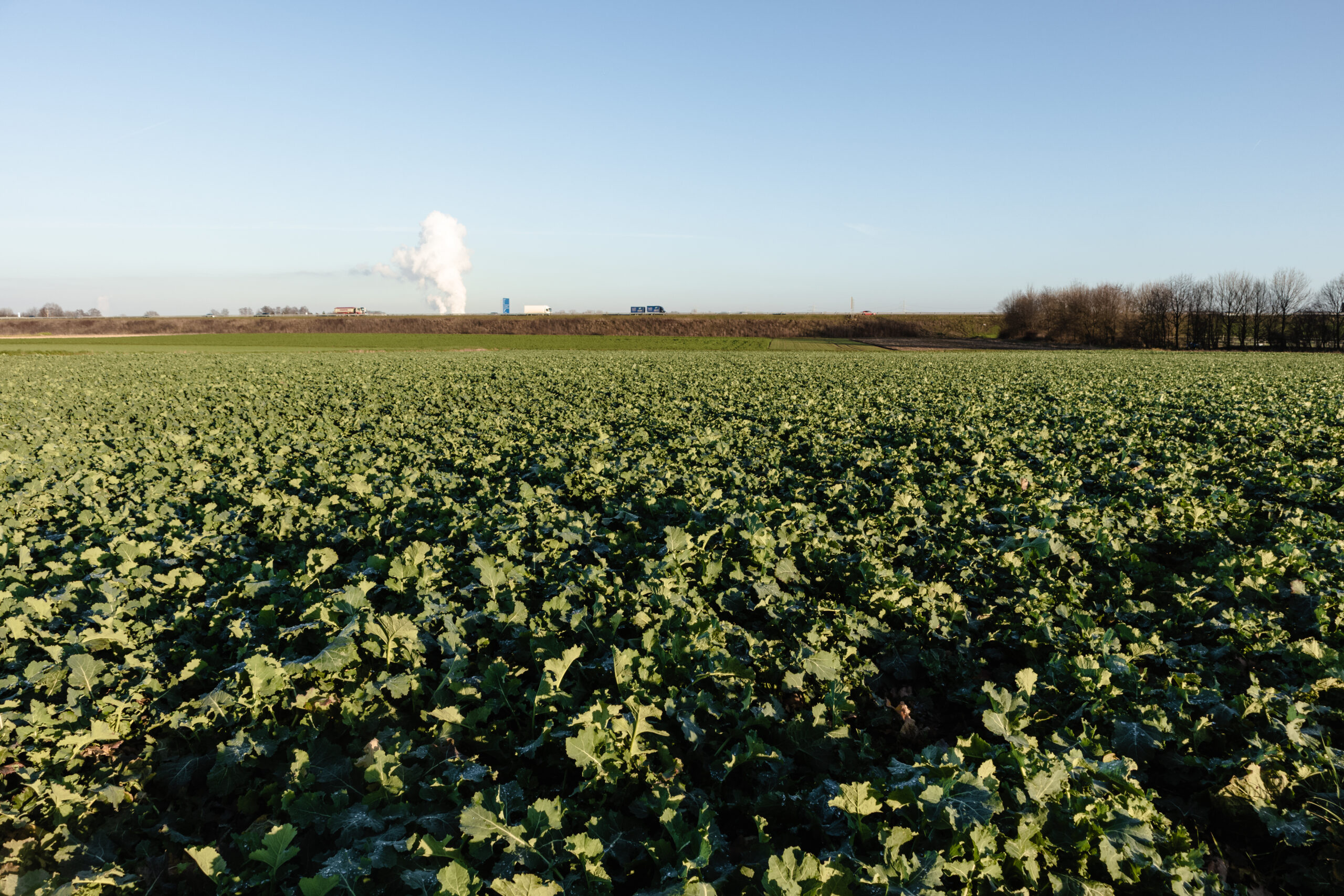
WG Biomass Supply explores market trends, policy challenges, and biomass solutions for the future of sustainable biomass supply in Europe.

With the biomass sector adapting to shifting policies and growing sustainability expectations, Bioenergy Europe’s Working Group Biomass Supply met last week to discuss current feedstock realities, future resource modeling, and new opportunities in agricultural biomass. Bringing together experts from across Europe’s bioenergy value chain to share perspectives on wood availability, policy frameworks, and innovative solutions that can ensure long-term security of sustainable biomass supply in Europe.
Key highlights:
- Māra Maurīte (BONO Timber) elected as the new Chair of the Working Group Biomass Supply
- Update on the wood supply situation in the Baltics and current market dynamics
- Roundtable discussion on the impact of the EU Deforestation Regulation (EUDR) and LULUCF policy framework on the future supply of woody raw material in the EU
- Prof. Dr. Udo Mantau (INFRO e.K) presented long-term wood use modeling for Germany through 2050
- Florian Ilias (Terravesta) showcased the potential of miscanthus and other low-input energy crops for sustainable biomass supply in Europe
A new Chair for a crucial time
The session opened with the election of Māra Maurīte, Head of Exports at BONO Timber, as the new Chair of the Working Group Biomass Supply. In her introductory remarks, Maurīte emphasized the importance of reliable data, sustainable forestry practices, and open collaboration between stakeholders.
Drawing from her experience in the Baltic wood sector, Maurīte also provided an update on the regional sustainable biomass supply situation. Participants discussed solid feedstock availability, harvesting constraints and biomass logistics. Certification remains a key pillar of credibility throughout the region.
Policy frameworks shaping tomorrow’s supply
A roundtable discussion followed, focusing on EU policies affecting sustainable biomass supply in Europe, including the evolving EU Deforestation Regulation (EUDR) and the Land Use, Land-Use Change and Forestry (LULUCF) framework. Participants discussed the European Commission’s proposed one-year delay in EUDR implementation and what it could mean for operators and traders. Moreover, the conversation highlighted the need for clearer rules and manageable timelines, particularly for smaller operators seeking to comply with geolocation and due diligence requirements.
Data-driven foresight for the wood sector
Building on these policy discussions, Prof. Dr. Udo Mantau (INFRO e.K) shared findings from his extensive modeling work on wood use in Germany up to 2050, developed under the DIFENs project. His research tracks material and energy wood flows across multiple industries, helping policymakers and businesses anticipate changes in sustainable biomass demand, efficiency, and availability. According to Mantau, balancing energy and material uses of wood will become increasingly important as Europe moves toward its 2040 and 2050 climate targets.
Agricultural biomass: the promise of miscanthus
Closing the meeting, Florian Ilias, Managing Director at Terravesta, explored the agricultural biomass frontier, focusing on miscanthus as a key example of how perennial, low-input crops can contribute to Europe’s sustainable biomass feedstock base. Beyond traditional forestry residues, crops like miscanthus are emerging as a crucial complement to diversify biomass sources.
Miscanthus (Miscanthus x giganteus) is a perennial grass that can grow up to four meters tall each year. It requires no fertilizers, pesticides, or irrigation, and thrives on marginal or under-utilised land, making it an ideal solution for improving soil health and reducing competition with food production. The crop offers long-term productivity of over 20 years, high yields (14–20 tonnes of dry matter per hectare), and a net carbon sequestration rate of around 2.35 tonnes of CO₂ per hectare per year. Notably, miscanthus also enhances biodiversity and improves soil structure through its deep-rooted system.
Ilias highlighted several industrial uses for miscanthus, including:
- Renewable heat and power generation, as a clean, low-ash combustion feedstock;
- Animal bedding, thanks to its natural absorbency and durability;
- Peat replacement in horticulture, supporting circular and low-carbon production systems;
- Biochar and biogas feedstock, contributing to carbon-negative value chains;
- Advanced materials, such as fibre composites and non-woven fabrics.
By expanding the use of crops like miscanthus, Europe can diversify its biomass sources, reduce dependency on forest residues, and improve the resilience of its renewable energy supply.
Collaboration remains key
As discussions drew to a close, participants concluded with a shared recognition that diversification, data, and cooperation are central to the future of sustainable biomass in Europe. From certified forest feedstocks to innovative agricultural crops, Europe’s bioenergy sector must continue adapting to meet growing demand while delivering measurable environmental benefits. In the coming months, the Working Group will continue to serve as a forum for knowledge exchange and collective action.
Participation in the Working Group Biomass Supply is reserved for Bioenergy Europe members, who can contribute their expertise, exchange insights with peers, and help shape Europe’s renewable energy future.
👉 Join Bioenergy Europe today to take part in our Working Groups and support the development of a sustainable, secure bioenergy sector: https://bioenergyeurope.org/join-us-now/
Related Posts
No related photos.