Grudziądz: Turning Straw into Sustainable Heat
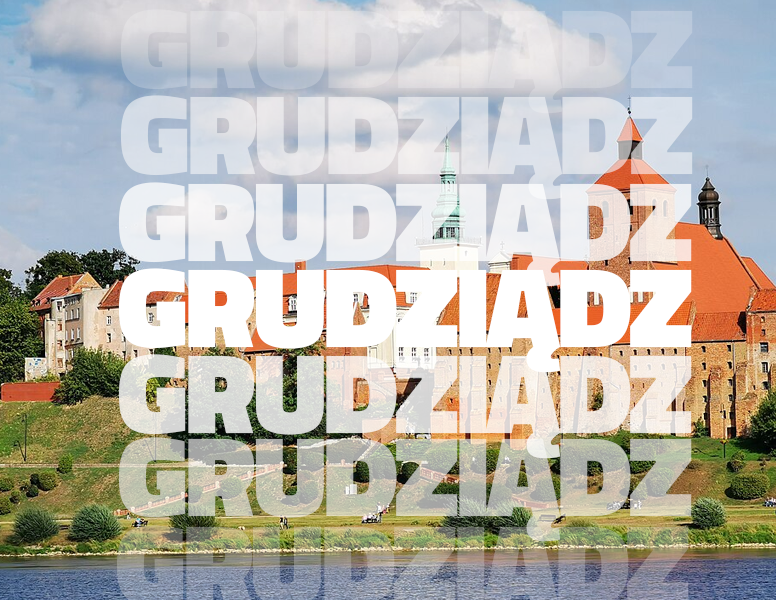
On the banks of the Vistula River in northern Poland lies Grudziądz, a historic city of nearly 95,000 residents, known for its medieval granaries and deep industrial heritage. Today, it is also becoming known for something more modern: turning agricultural waste into clean heat.
At the Łąkowa Heat and Power Plant, the city is completing one of Poland’s first major straw-fired district heating retrofits, transforming a coal-based system into a renewable energy hub. The new 12.5 MW biomass boiler, designed and supplied by DP CleanTech Poland and built in partnership with SBB Energy SA, will soon deliver renewable steam and heat to thousands of homes and public buildings across the city.
Unlike conventional systems, this one runs on loose straw, an agricultural residue collected from farms around Grudziądz and the broader Kuyavian-Pomeranian region. Instead of being left to decay in fields or burned in open air, the straw is now becoming part of the city’s energy future. The project includes a modern fuel yard, automated straw handling, and advanced flue gas cleaning, ensuring efficient combustion and low emissions.
Construction began after the contract award in late 2022, and according to the most recent update from DP CleanTech, the system has already passed hydrostatic testing, marking a key milestone toward commissioning. While final completion has not yet been publicly confirmed, progress reports indicate that the straw-fired unit is approaching operational readiness and will soon begin supplying renewable heat and power to the city’s network.
This project demonstrates how using bioenergy enables the retrofit of existing fossil-fuel facilities rather than replace them entirely. The new straw boiler integrates directly into the existing turbine and district heating infrastructure, displacing coal while maintaining the same reliable delivery of heat and power. It is a model for how cities can transform old energy systems into modern renewable ones efficiently, affordably, and locally.
Support for the investment has come from the National Fund for Environmental Protection and Water Management and the EEA / Norwegian Financial Mechanism, which both recognize the project’s significance for Poland’s energy transition. By using locally sourced biomass, the city will cut emissions, reduce fuel imports, and create a new value chain for regional farmers.
For Grudziądz, this isn’t only about climate goals. It’s about reconnecting the city’s energy system with its surrounding landscape, where agriculture has always been central. The straw that once symbolized traditional farming now fuels a cleaner, more independent future.
By showing that existing infrastructure can be reborn with solid biomass, Grudziądz proves a key point: the path to decarbonisation doesn’t always start from scratch, sometimes it begins with a bale of straw and a smart retrofit.
Discover More District Heating Champions