From Rubberwood to Renewable Energy: Green River’s Traceable Bioenergy Model from Southern Thailand
How can rubberwood residues contribute to a more sustainable and transparent bioenergy supply chain? In Southern Thailand, Green River Group is building on over 25 years of experience in rubberwood processing to develop a traceable biomass production model.
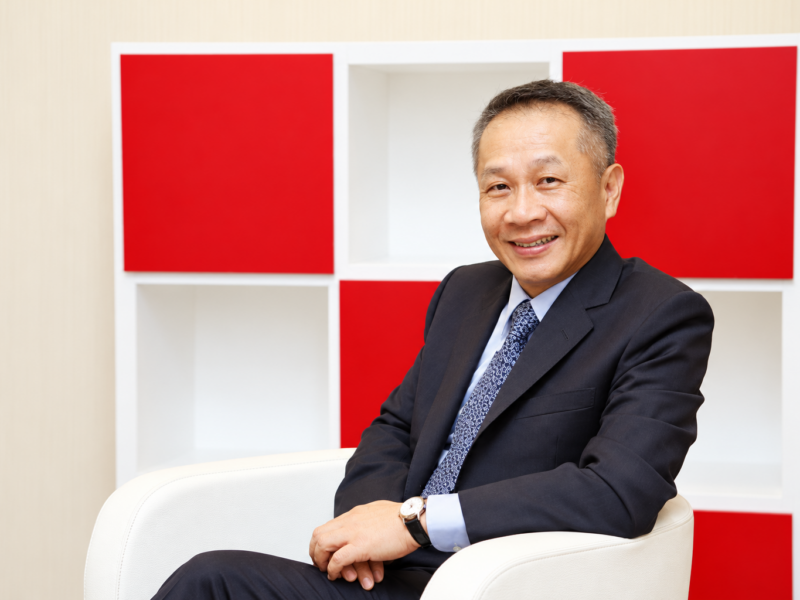
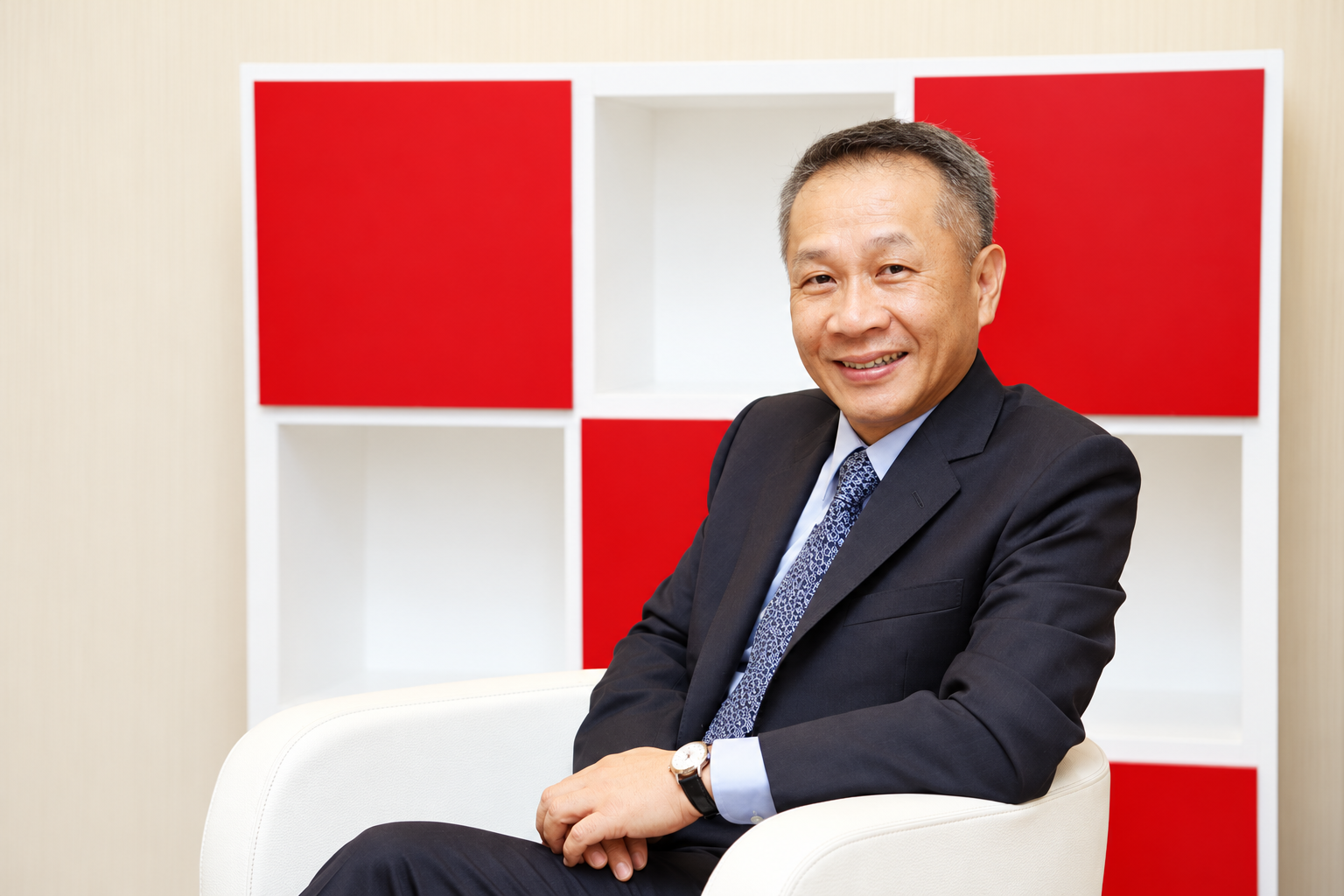
In this interview, Hubert Hsieh, Chairman of Green River Group, discusses the company’s approach to responsible sourcing, the role of local communities and its ambitions to expand biomass production while meeting Europe’s evolving sustainability requirements.
Where is Green River based, and why does the location matter?
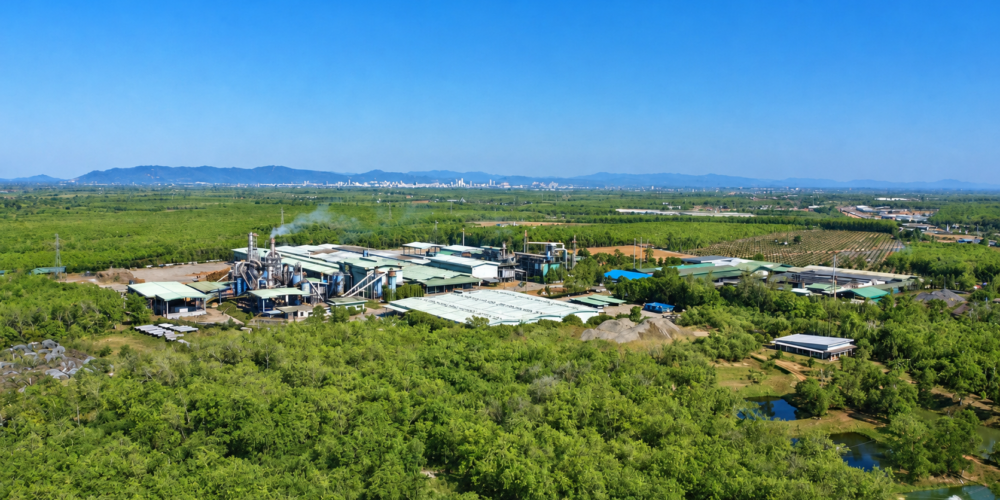
We are based in Southern Thailand, the country’s largest rubber-growing region and one of the world’s most important rubberwood resource bases. Southern Thailand alone generates more than 10 million tonnes of rubberwood residues every year.
All of our major plants are located within this core supply zone, giving us direct access to abundant feedstock and reducing our dependence on distant or volatile sources. This gives us a strong foundation for long-term supply security and scalable biomass production.
How would you describe Green River?
Green River has more than 25 years of experience working with rubberwood, from raw-material handling and processing to producing industrial wood products. So biomass is not a completely new field for us. It is a natural extension of what we have been doing for many years — understanding rubberwood resources and using them efficiently.
As Chairman of Green River Group, what is your vision for its bioenergy business?
My vision is quite simple: we want to provide the biomass market with genuinely sustainable green energy.
For us, renewable energy should not only be renewable at the point of use. The feedstock behind it should also be responsibly sourced, traceable and transparent throughout the supply chain.
Why is rubberwood particularly suitable for your bioenergy model?
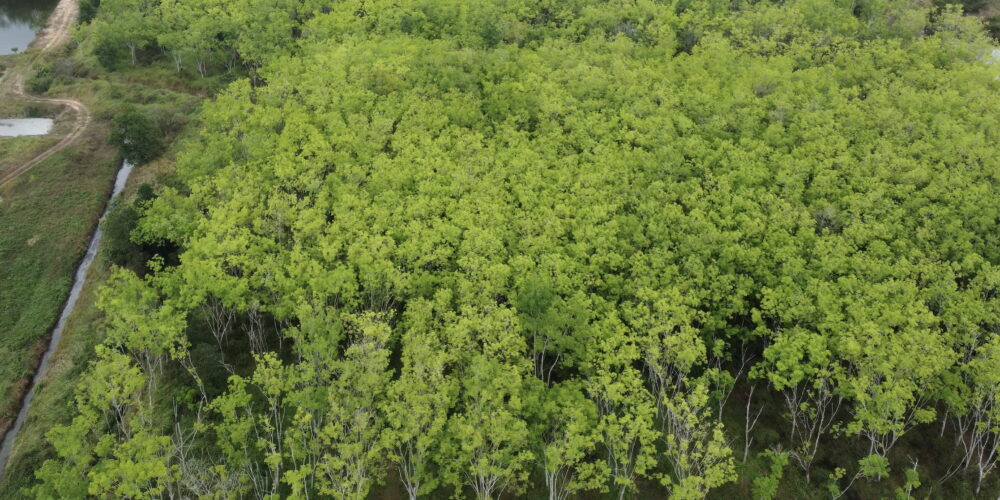
Rubber trees are normally replanted after around 25 to 30 years, when latex productivity declines. So the wood comes from an existing agricultural plantation cycle, rather than from natural forests. This also supports circular use: higher-value wood can go into industrial products, while residues and lower-value material can be used for renewable energy.
What is unique about the ESG value of Thailand’s rubberwood plantation system?
Thailand’s rubber industry is closely connected to millions of smallholder farmers and local communities and is supported by a long-established national ecosystem covering replanting, farmer assistance, research and industry development.
Together with its plantation-based resource model, this gives Thailand rubberwood a distinctive ESG foundation — combining renewable resource use, community participation and long-term institutional support.
What makes Green River different from a typical pellet producer?
One important difference is that our pellet business is closely connected to our long-established rubberwood-processing operations and sourcing network in Southern Thailand. That gives us much greater visibility across feedstock sourcing, processing, quality control and traceability, rather than treating pellet production as an isolated activity.
Why is traceability such an important part of Green River’s strategy?
Today, European customers want to know much more than just the pellet specification. They also want to know where the biomass comes from and whether that origin can be verified.
That is why we have built an EUDR-aligned traceability system covering supplier information, geolocation data and due-diligence records. This is also consistent with the work of the European Forest Institute (EFI) and Rubber Authority of Thailand (RAOT) on plantation mapping, farmer registration and rubber supply-chain traceability.
Is sustainability a challenge or an opportunity for Green River?
For Green River, sustainability is a clear opportunity. As European customers increasingly value responsible sourcing and transparency, we believe our experience with rubberwood and our established supply chain give us a strong competitive advantage.
Sustainability certification plays an essential role in building trust and demonstrating compliance with recognised standards. Combined with our traceability systems and knowledge of the rubberwood supply chain, it gives customers confidence in the origin and responsible sourcing of our biomass.
We see sustainability as an integral part of our business model and an opportunity to build stronger, long-term partnerships with European customers.
How is Green River positioned under Europe’s evolving sustainability requirements?
The direction of EU policy is quite consistent with the way we already operate. Our rubberwood comes from an existing plantation cycle rather than from natural forests.
As the EU places greater emphasis on sustainability and supply-chain transparency, these requirements give us a more systematic way to demonstrate, document and communicate the sustainability of our rubberwood.
The European Commission also currently classifies Thailand as a low-risk country under EUDR, and we complement this with our own system for verified sourcing and supply-chain documentation.
Why did Green River join Bioenergy Europe?
For us, this is a valuable opportunity to engage more closely with the European bioenergy community, understand how the market and sustainability expectations are evolving, and also share our experience from Thailand in plantation rubberwood and traceable biomass supply.
What is next for Green River?
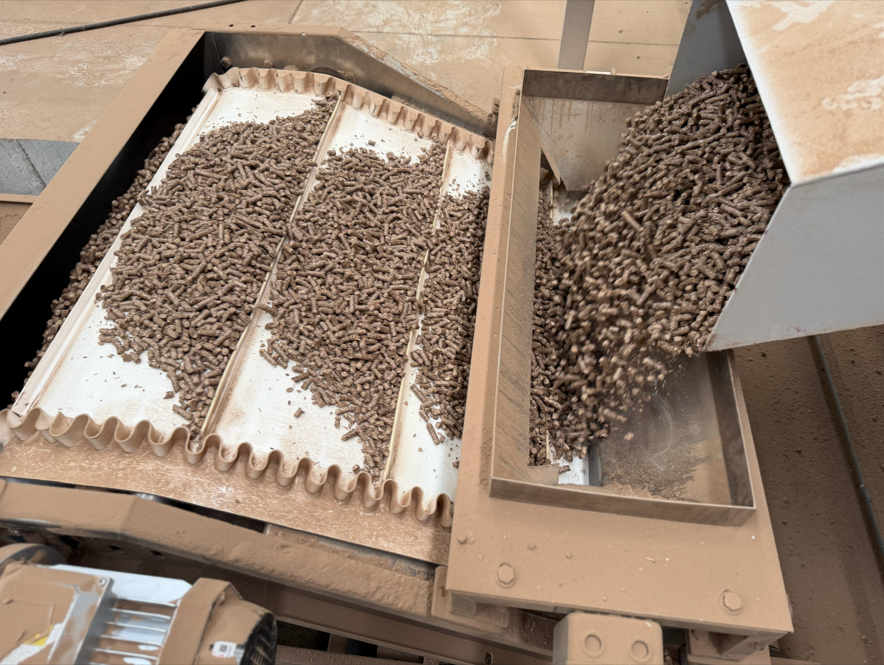
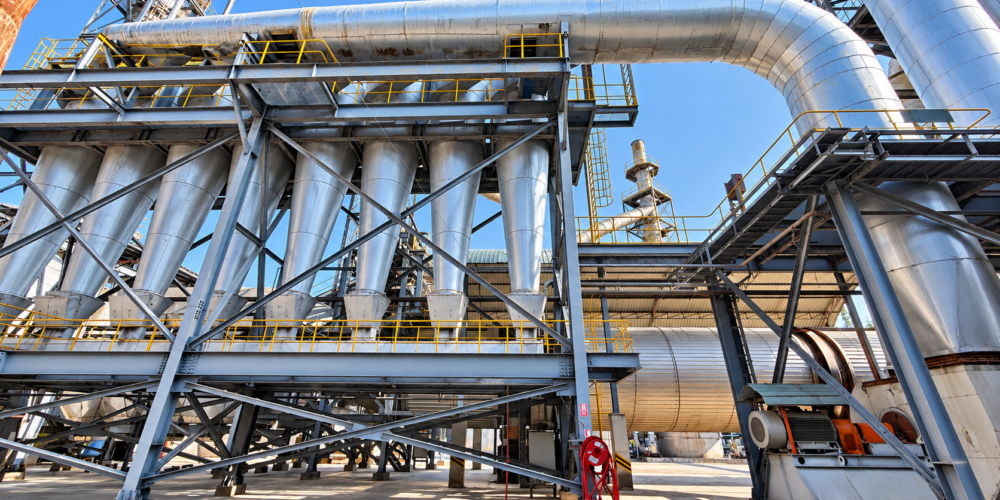
Our current pellet production capacity is approximately 300,000–350,000 MT per year.
The next step is to leverage our existing infrastructure, established resource base and production capabilities to support larger and longer-term partnerships. As demand develops, our biomass platform has the potential to scale progressively to around 1–2 million MT per year.
At the same time, we are exploring new and more advanced applications for rubberwood biomass, including renewable energy, carbon-related and higher-value bio-based opportunities.