Select Sidearea

Populate the sidearea with useful widgets. It’s simple to add images, categories, latest post, social media icon links, tag clouds, and more.

hello@youremail.com
+1234567890

European Bioenergy Future 2026: Mobilising sustainable biomass for Europe’s energy transition

European Bioenergy Future 2026: Mobilising sustainable biomass for Europe’s energy transition

Bioenergy’s role in Europe’s energy future 

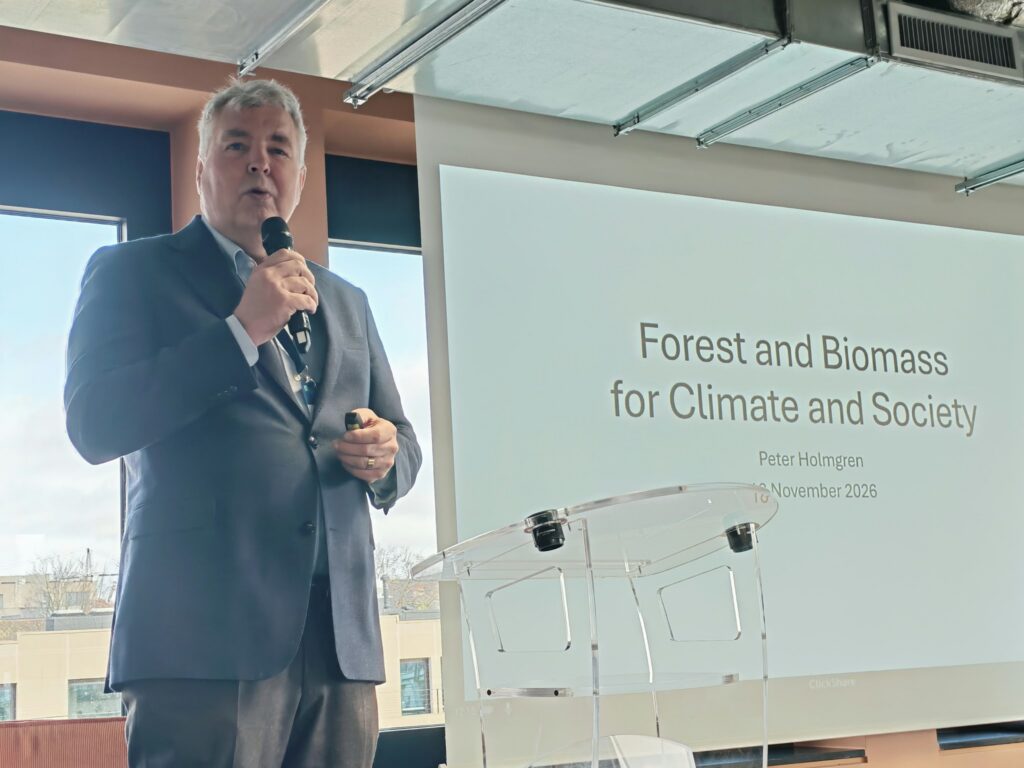
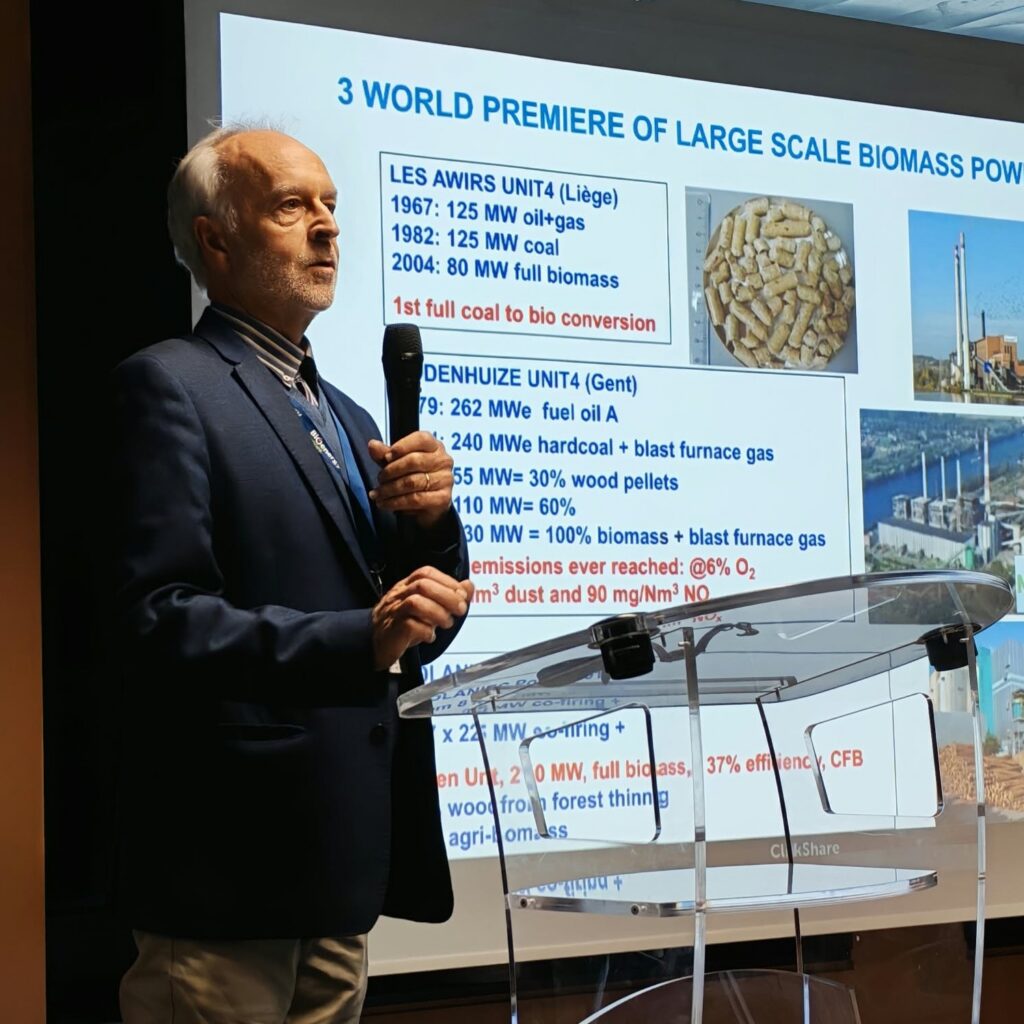
The conference opened with a keynote address on Forest and biomass for climate and society from Dr Peter Holmgren, Founder and Senior Advisor at FutureVistas AB. 


“Every European uses wood-based products. Every day, throughout their lives. Even when the forest is far away. We need to see all the benefits and value creation from forests before we talk politics. Europe grows with its forests,” stated Dr. Peter Holmgren. 


Christoph Pfemeter, President of Bioenergy Europe, continued presenting why bioenergy will continue to play a major role in Europe’s energy system beyond 2030: 


“Bioenergy is the most important energy carrier in Latvia, Sweden and Finland, and the second most important in Denmark, Lithuania and Austria. Without bioenergy, Europe’s renewable energy and climate targets are out of reach. Wood heat is the most cost-effective way to reach these targets, increase energy security and keep energy, including electricity, costs down,” said Christoph Pfemeter. 

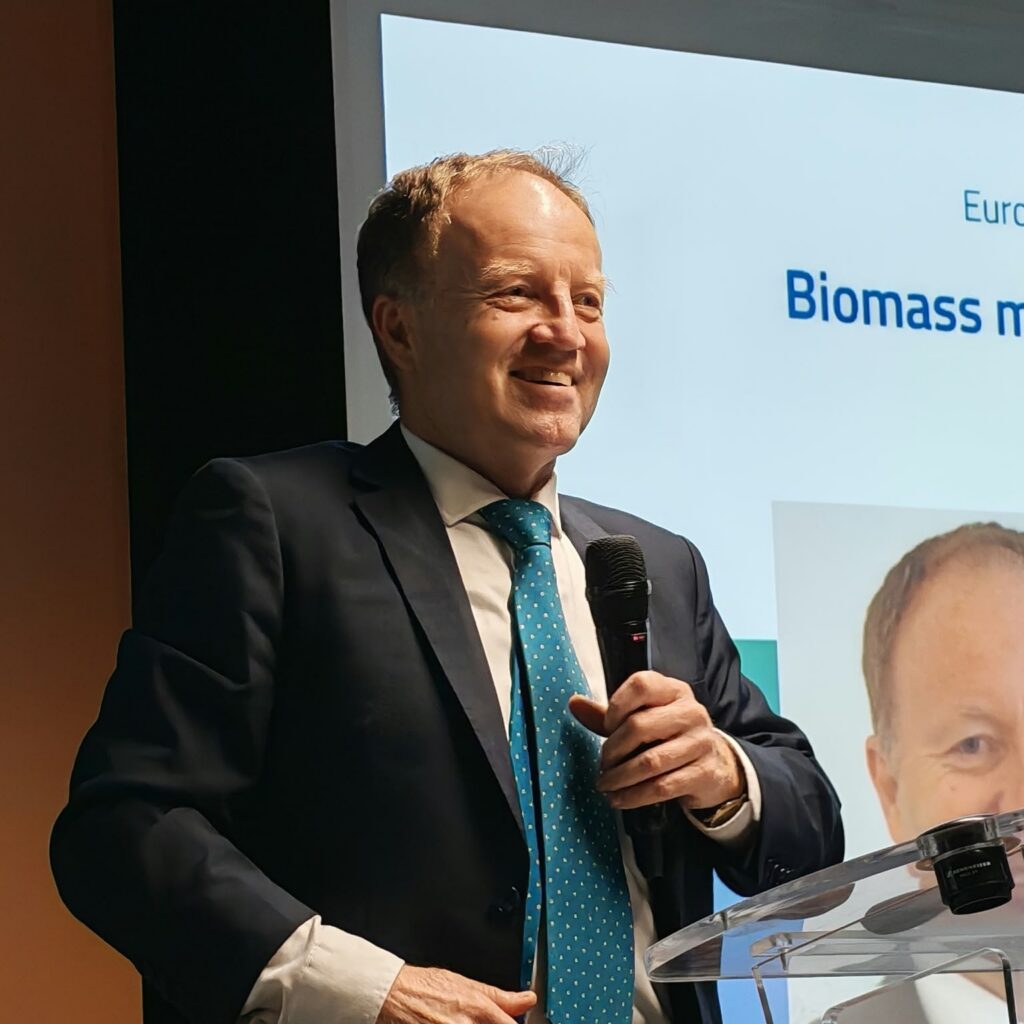
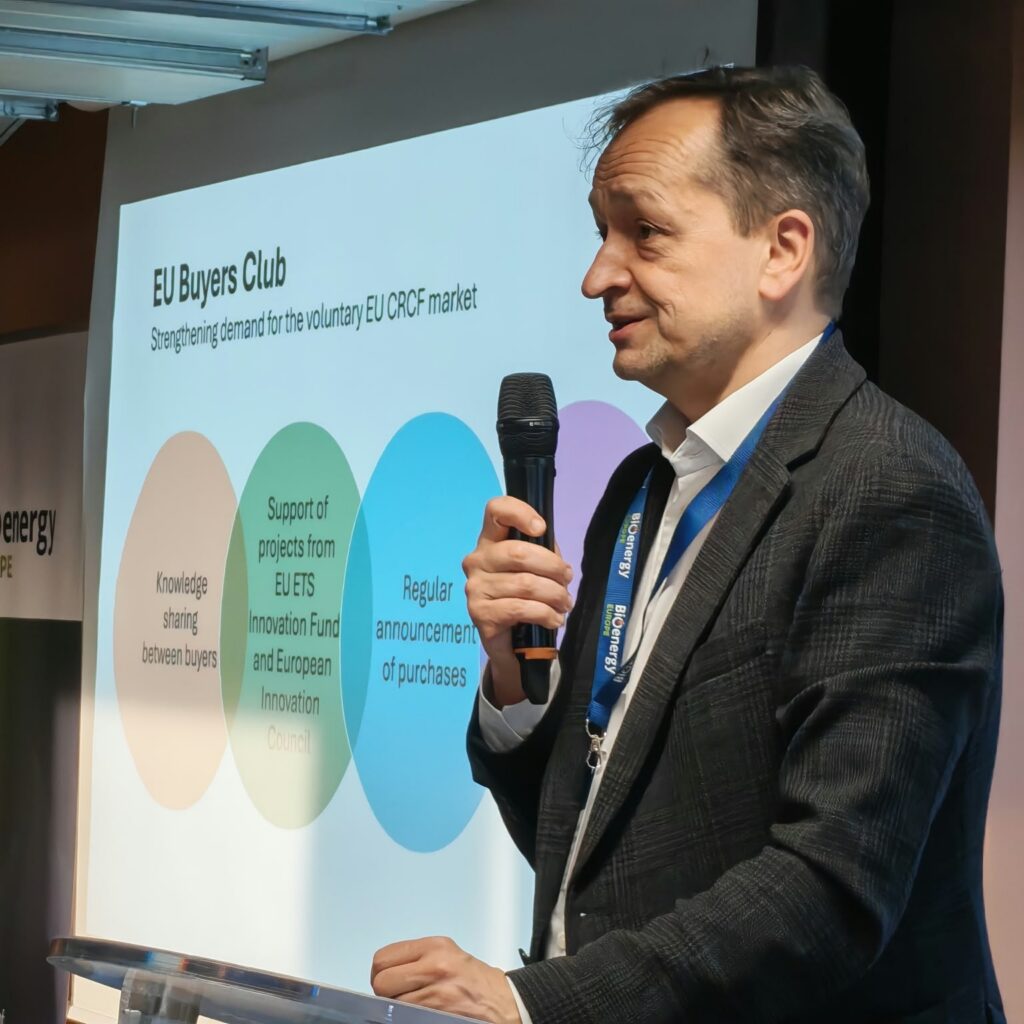
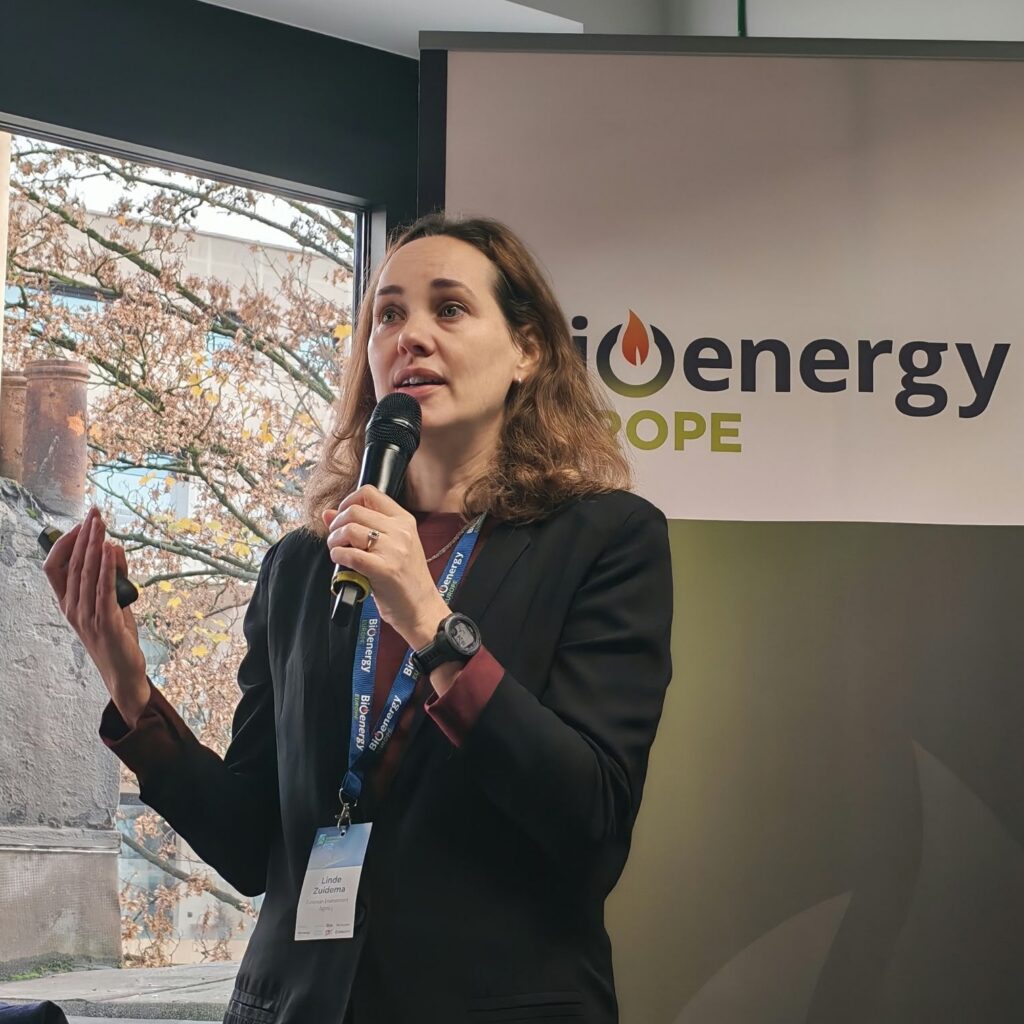
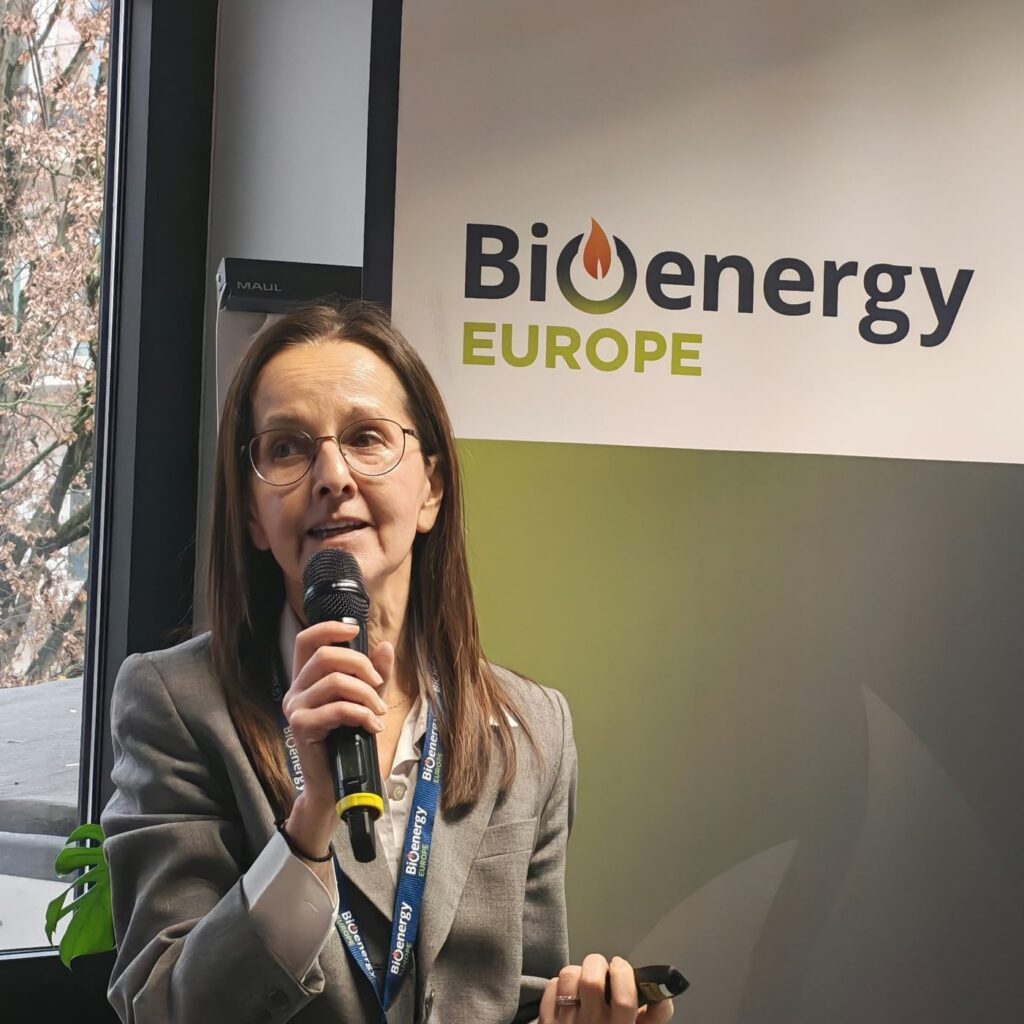
The programme brought together perspectives from EU institutions and industry, including Christian Holzleitner, Head of Unit at the European Commission’s DG CLIMA, who addressed new business opportunities for bioenergy with carbon capture and storage (BioCCS), and Michael Losh, Coordinator for Bioeconomy at DG AGRI, who presented on biomass mobilisation for the bioeconomy and bioenergy. 

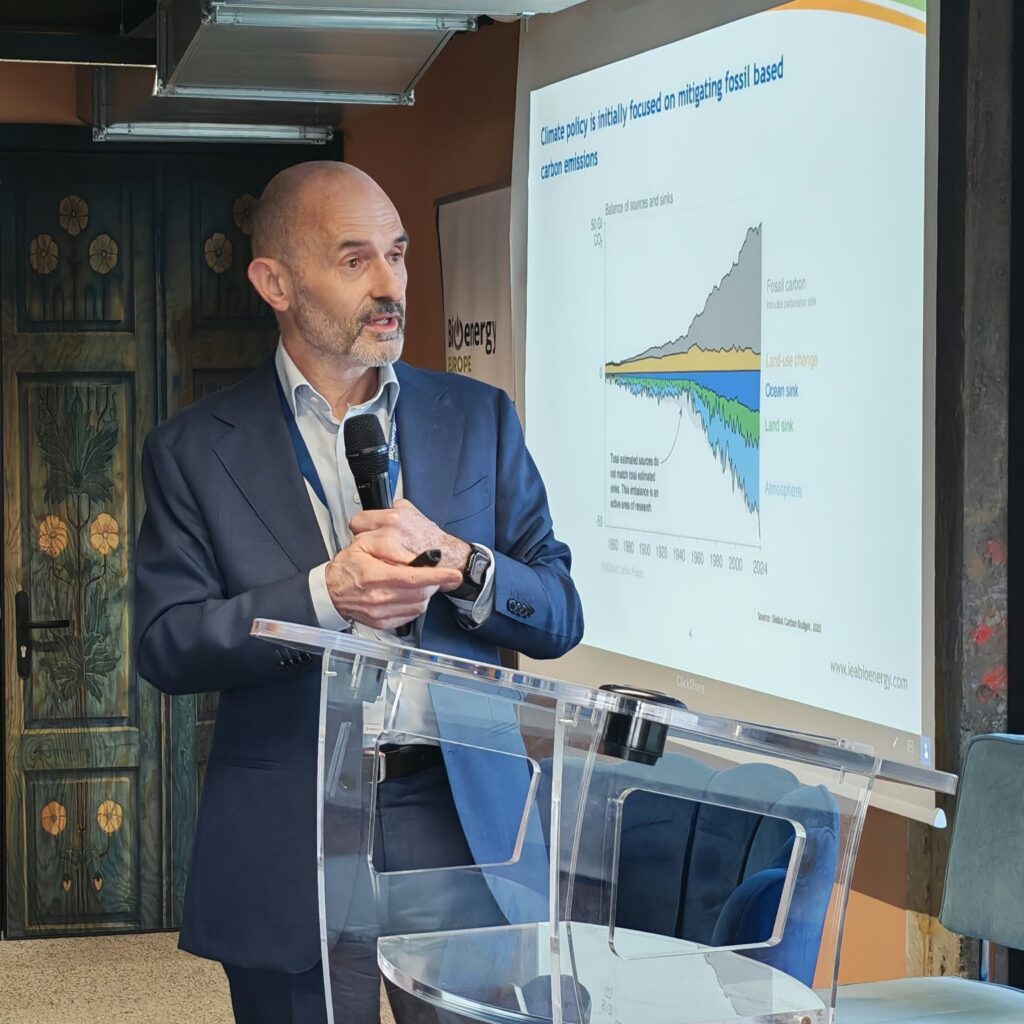
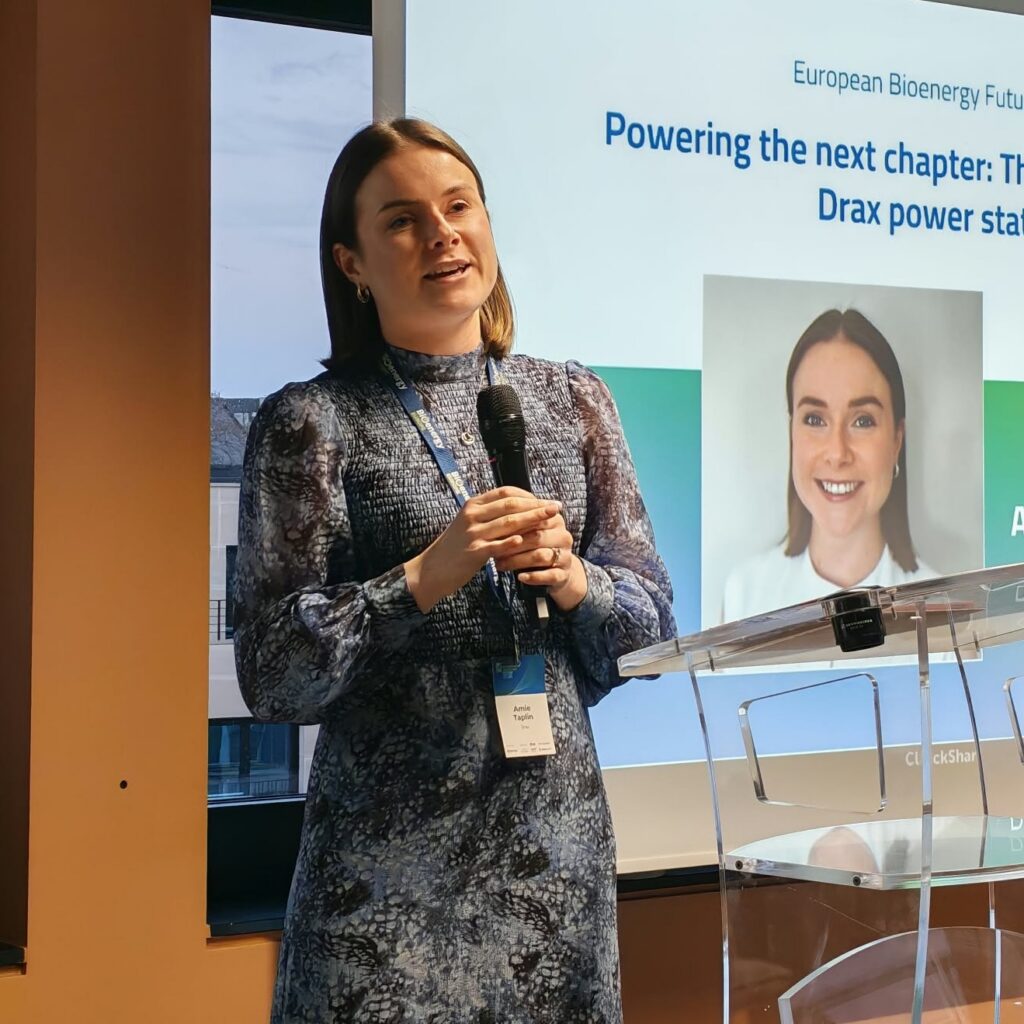
Contributions from IEA Bioenergy, Drax, SYNCRAFT and ENGIE further explored the sector’s future, from transforming existing bioenergy infrastructure to emerging applications such as biochar and bio-based carbon removals. These discussions offered an opportunity to examine how sustainable bioenergy can support Europe’s climate objectives while strengthening industrial competitiveness and energy security. 


Unlocking Europe’s sustainable biomass potential 

The second day focused on one of the sector’s most pressing challenges: turning Europe’s sustainable biomass potential into resources that can effectively reach the market. 


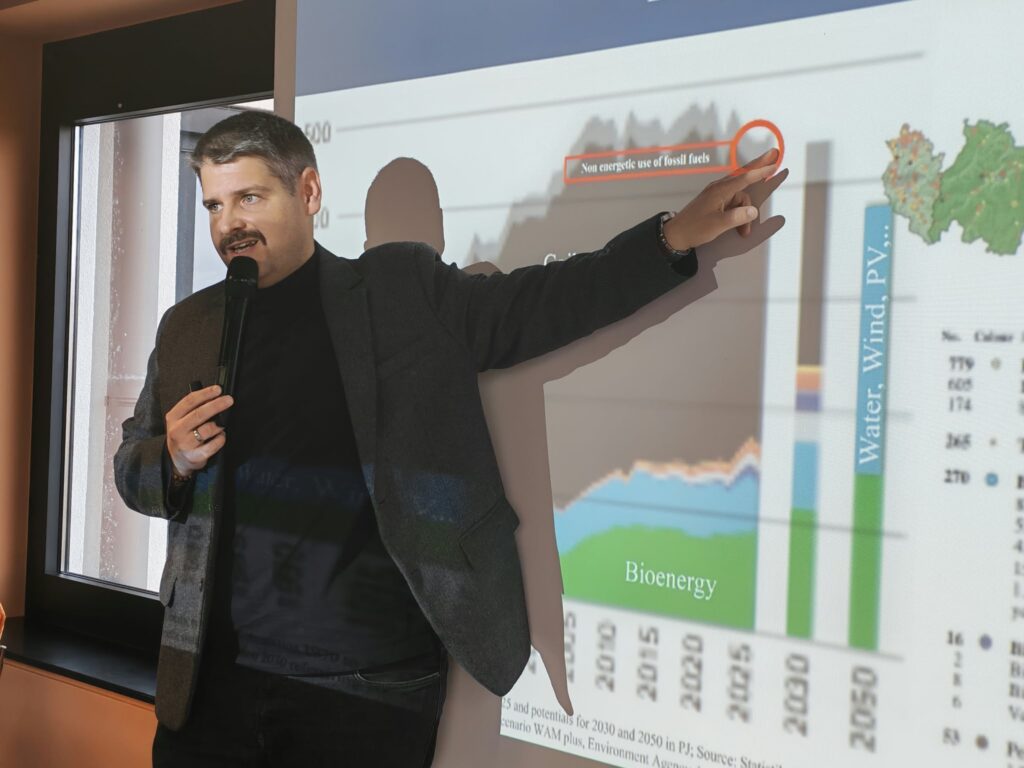
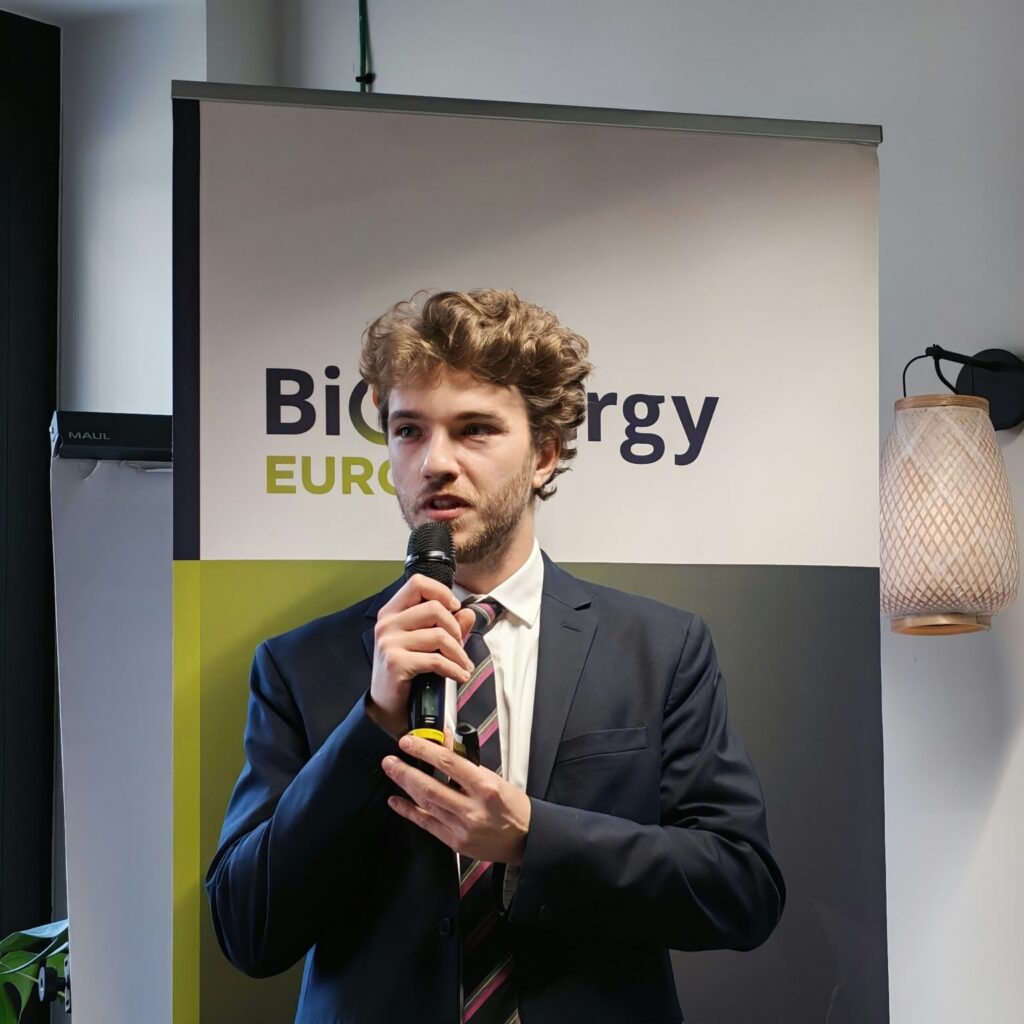
Under the theme Europe’s Biomass Supply to 2050: From Sustainable Potential to Mobilisation, Jérémie Geelen, Market Intelligence Director at Bioenergy Europe, presented an analysis of existing studies on Europe’s future biomass availability. He concluded that claims of biomass scarcity or abundance should be assessed with caution, given the variety of methodologies and assumptions in the broader scientific literature. This is particularly important before drawing policy conclusions or making political decisions based on such claims. 


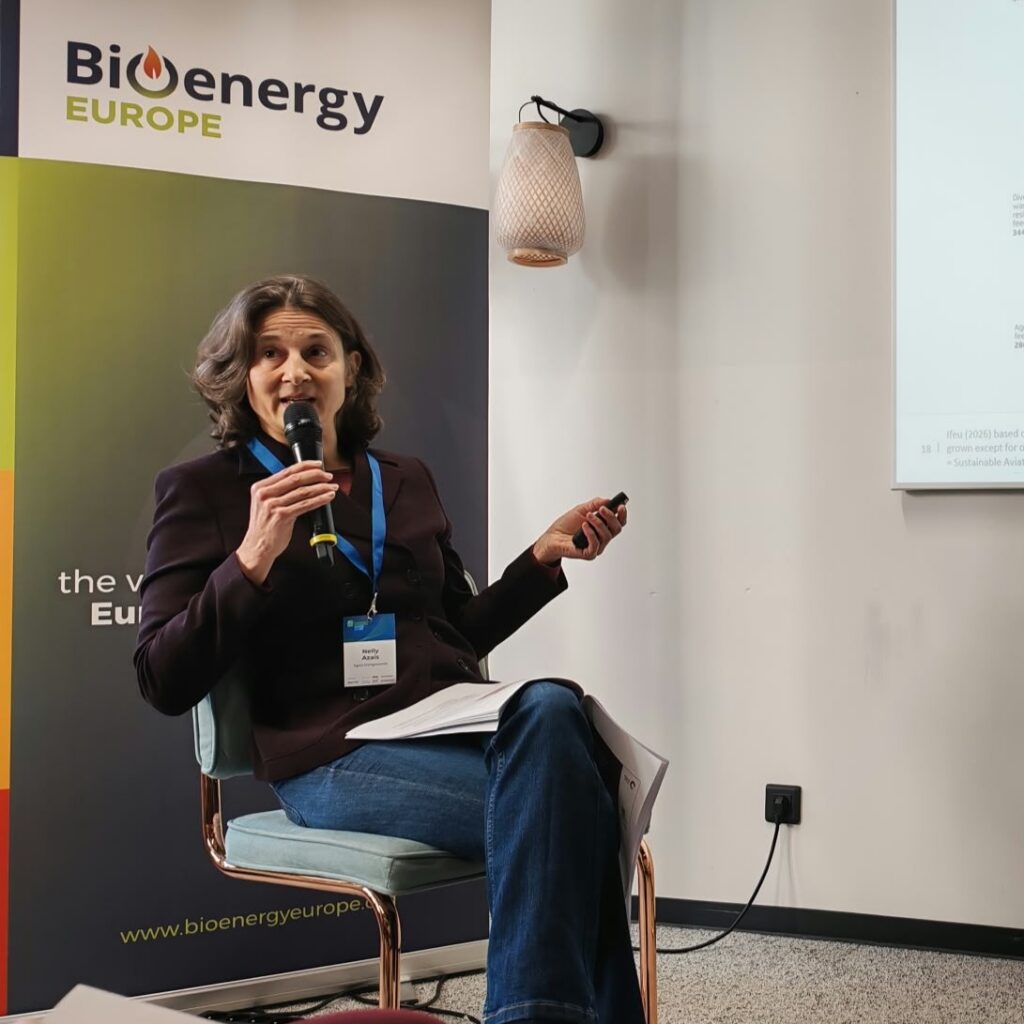
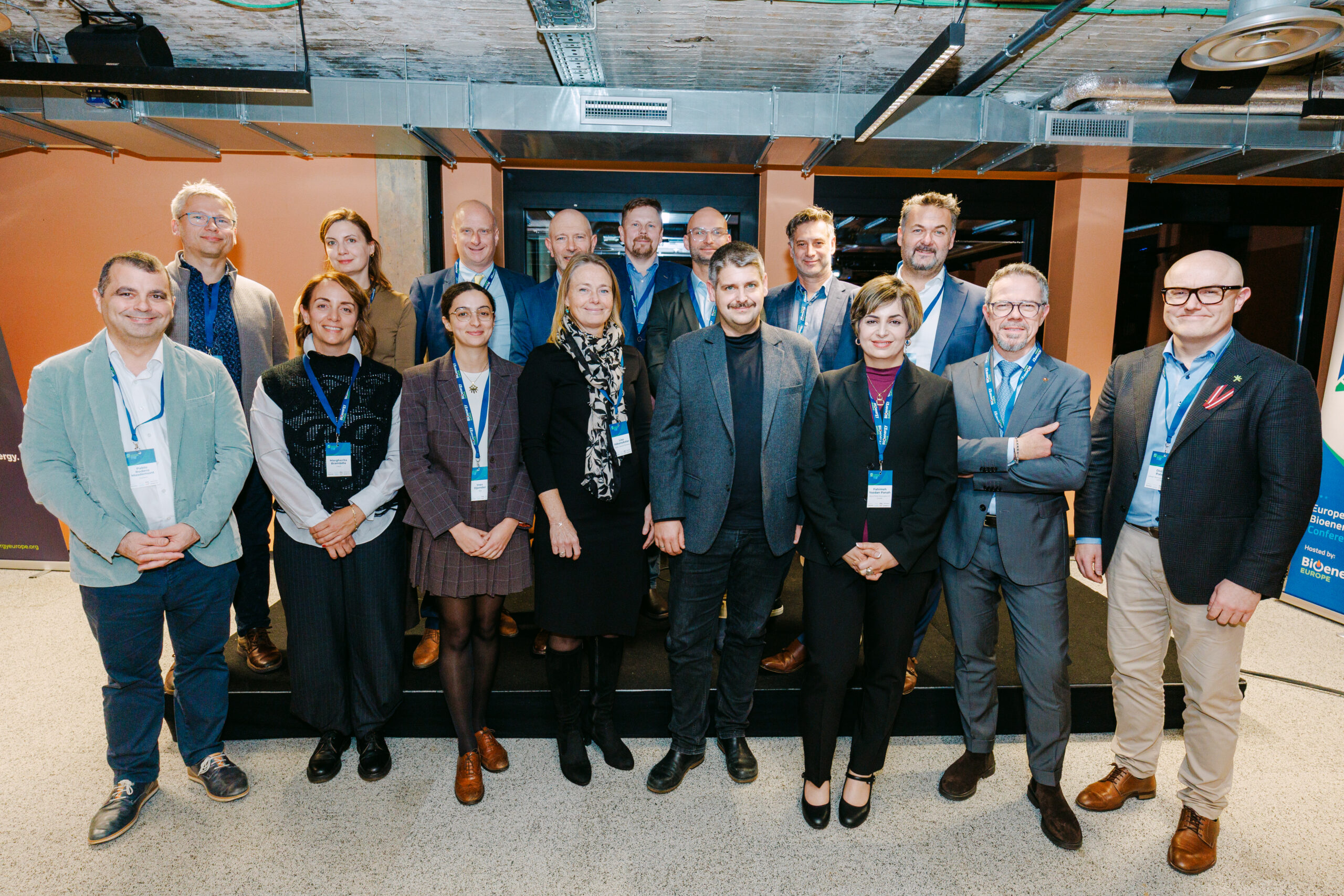
A panel of experts from industry, academia, research, and NGOs addressed the economic, technical, and policy barriers that determine whether these resources can be mobilised. 


“By unlocking the potential of forestry and agricultural resources, the EU can secure the biomass needed to defossilise its economy,” said Jean-Marc Jossart, Secretary General of Bioenergy Europe “A supportive policy framework that recognises the role of bioenergy in the bioeconomy and acknowledges local circumstances is key to making this happen,” he added.  

Affordable, homegrown energy after 2030 

As EU institutions prepare the next climate and energy legislation, Bioenergy Europe emphasised the need for a stable and coherent post-2030 framework that supports sustainable biomass mobilisation and provides long-term investment certainty. 


Sustainable bioenergy already contributes to Europe’s energy security. It provides dispatchable renewable heat and electricity, complements electrification, and uses local resources. Its storability and established supply chains help reduce exposure to volatile fossil fuel markets and provide greater predictability for households and businesses. 


As Europe works towards a more resilient energy system, Bioenergy Europe calls on EU policymakers to fully recognise sustainable bioenergy’s contribution in the post-2030 framework, ensuring the sector can continue delivering reliable, affordable renewable energy while supporting Europe’s long-term climate and competitiveness objectives.