
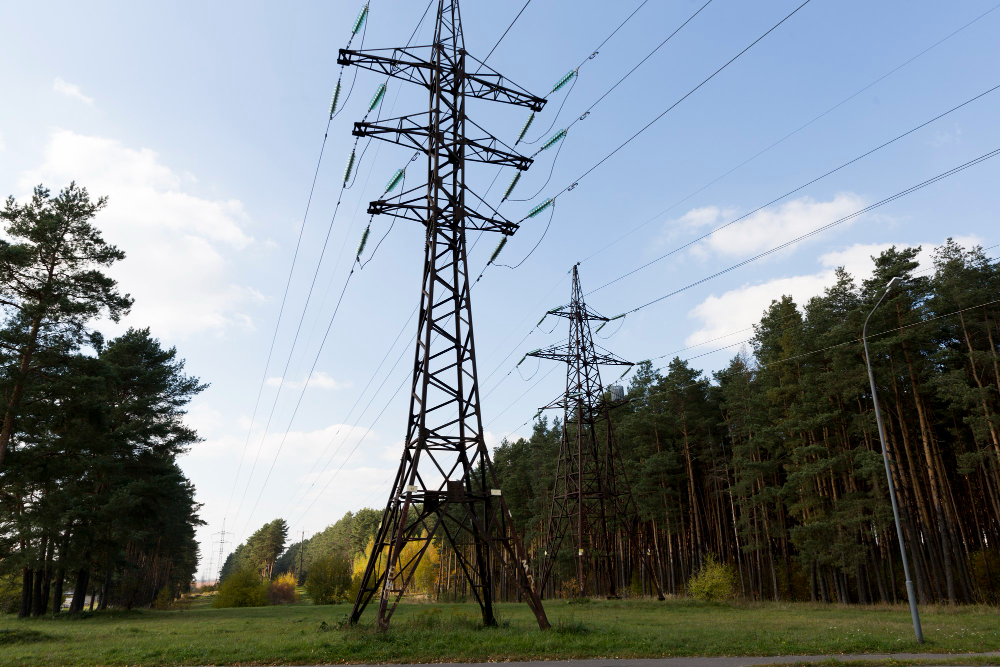
Imagine a near future where homes, industry and transport rely on electricity only. On the first freezing week of winter, heat pumps work at full speed all day long, people charge their cars, and the EU’s industry runs on electrons.
What is going to happen to the electricity grid? What would be the cost for consumers? The grid will be under stress as electricity demand will rise in the morning and after sunset, and peak-hour prices will bite just when families and industries need warmth most.
In this single-option pathway, other renewable heating options still exist, but they have been sidelined or not scaled to their full potential. With the European Commission expected to release its Heating and Cooling Strategy and Electrification Action Plan, this is not an abstract exercise. It is one possible direction of travel, and it raises a basic question: what will happen during winter peaks when millions of citizens heat with electricity at the same time?
A recent study from TU Wien and BEST suggests that a resilient heating system, which can withstand energy crises, works best when different technologies complement each other. The authors explicitly describe biomass as an optimal complement to electrification and highlight the “synergetic benefits” between solutions that rely on electricity (e.g., heat pumps) and biomass heating.
You can read the rest of the opinion article on Euractiv.
Related Posts
No related photos.