
Select Sidearea

Populate the sidearea with useful widgets. It’s simple to add images, categories, latest post, social media icon links, tag clouds, and more.

hello@youremail.com
+1234567890

Bioeconomy and Energy Security in Europe

Bioeconomy and Energy Security in Europe

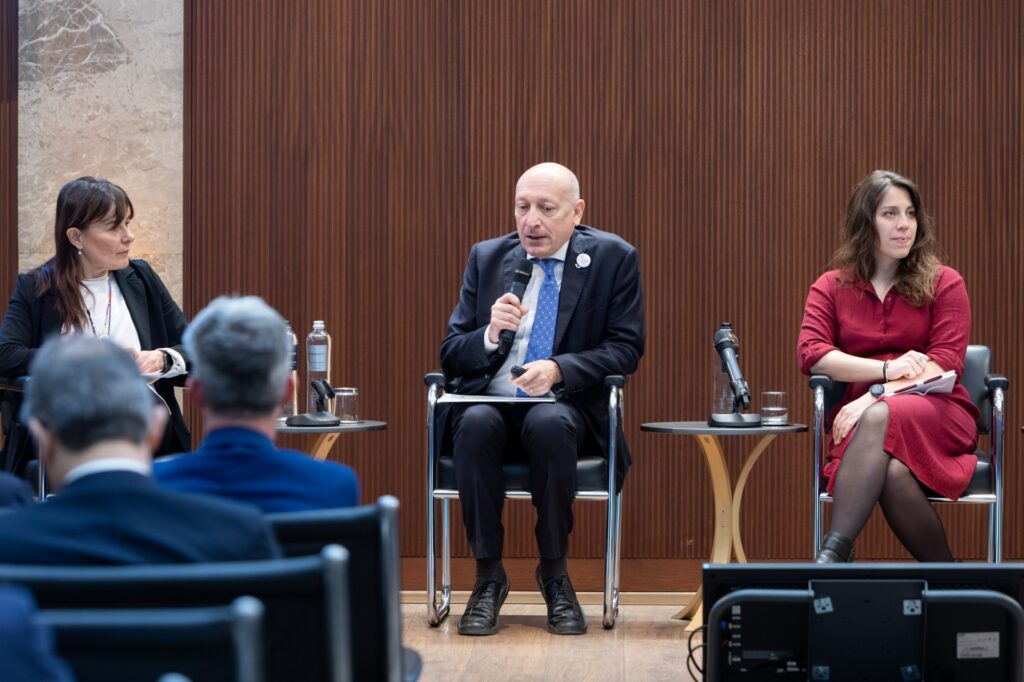
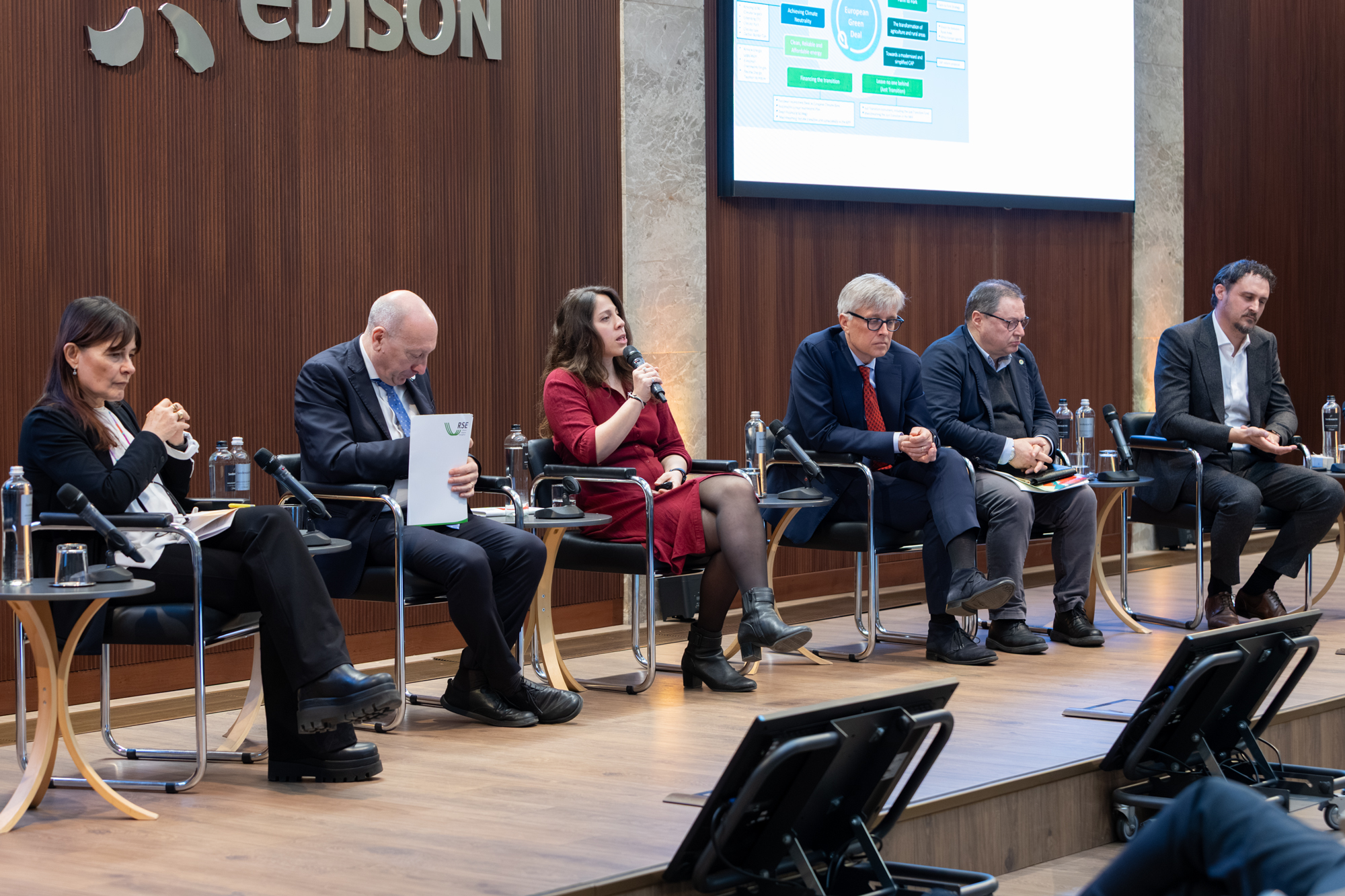
Bioeconomy and energy security in Europe were at the centre of the discussion at the FIPER conference “Energy Security, Innovation and Communities”. The event, held in Milan, marked the association’s 25th anniversary. It brought together institutions, academia, associations and industrial representatives to discuss the future of renewable energy in Italy, with a focus on local value chains, district heating and the role of biomass in the energy transition. 


Irene di Padua, Policy Director at Bioenergy Europe, presented the European policy framework shaping the future of the sector, with a specific attention on the EU Bioeconomy Strategy. Her intervention underlined a key message: bioenergy should not be seen in isolation, but as part of a broader sustainable bioeconomy that connects biomass supply, production, innovation and the responsible use of bio-based products. 


The Bioeconomy Strategy sets out a long-term EU vision for the sustainable use of renewable biological resources. In this framework, bioenergy contributes to reducing fossil fuel dependence, cutting emissions, supporting rural economies and strengthening innovation across the value chain. 

Bioeconomy and Energy Security: benefits for local development 


A central part of this approach is circularity. Bioenergy can help make better use of residues, by-products and secondary biomass streams, turning resources that might otherwise be wasted into renewable heat and power. This is particularly relevant for rural areas, where locally available biomass can support energy security, local development and more stable energy costs. 


Irene di Padua also stressed that the Bioeconomy Strategy is not a binding legislative framework. However, it will guide future EU policy action and should therefore remain coherent with existing climate and energy legislation, including the Renewable Energy Directive.  


A stable and consistent policy framework is essential to support investments, strengthen local supply chains, and ensure that sustainable bioenergy can continue to contribute to Europe’s climate and energy objectives.