Europe’s energy transition needs trust, realism and solutions that work in practice.
Brussels, 23 September 2026 – In this Euractiv op-ed, Bioenergy Europe’s Secretary General Jean-Marc Jossart makes the case for giving Member States and regions the flexibility to use their own renewable resources, including sustainable bioenergy. The priority, he argues, should remain clear: phase out fossil fuels while protecting affordability, energy security and public trust.
Yes, in Brussels, we all know it: we should not comment on leaks. But after many years in the bioenergy sector, I have learned to expect the worst for the sector, or at least to expect disappointment. And unfortunately, I am often right.
So maybe we should not comment on the leaked Impact Assessment for the post-2030 Renewable Energy framework. But what if this leak is influencing the proposal that will shape Europe’s renewable energy policy for the next decade?
Then staying silent may be worse if you consider the big picture.
What will European Citizens understand?
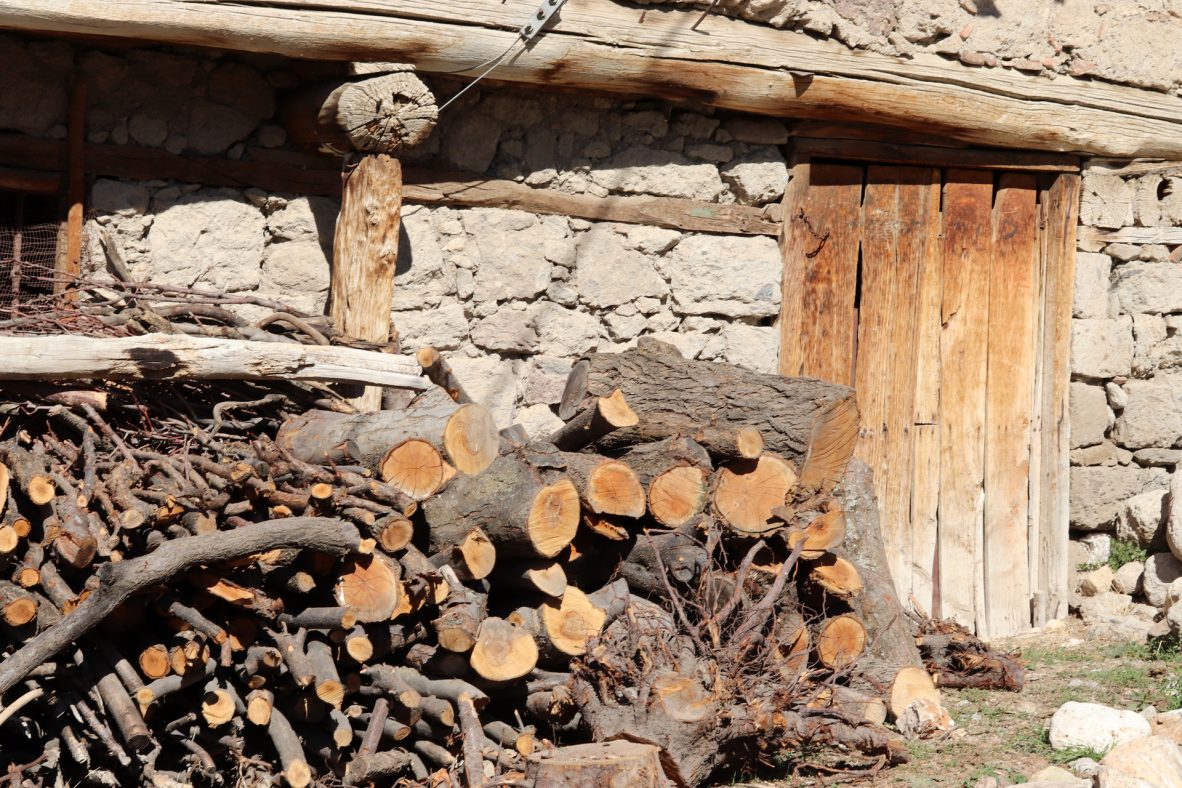
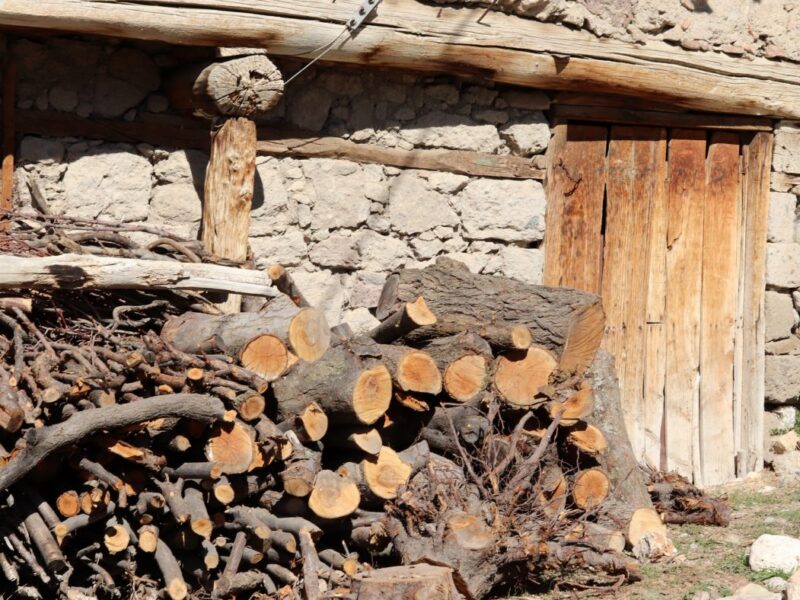
Many citizens will perceive these proposals as a ban on wood heating.
Technically, of course, this is not what the Impact Assessment says. What it proposes is a cap: Member States would no longer be able to count additional renewable heat from primary solid biomass used in households above 2024 levels towards their renewable energy share. But this distinction will be lost outside Brussels, and perhaps in the Bubble too.
People will not study modelling assumptions on biomass availability. They will not debate the finer points of the cascading use of biomass. They will see that the European Union is once again trying to meddle with their lives, telling them which technologies should heat their homes and which ones should not.
This will be particularly difficult to explain in regions where forests are part of everyday life, where wood has heated homes for generations and where local biomass can still be one of the most affordable and accessible renewable energy sources.
At the same time, the Impact Assessment proposes specific KPIs for selected heating technologies going against the technology neutrality principle. So, we would move from a target telling us how much renewable heat Europe needs to a target telling us which technologies should deliver it.
And if citizens are told that a resource currently providing an essential local energy service should instead be redirected towards another use considered higher-value in theory, how do we expect them to perceive the bioeconomy transition? As highlighted in reference document “Fuel of the Poor”, many lower-income households rely on biomass for affordable heating. Are we really prepared to risk worsening energy poverty in the process?
From the citizens perspective, a resource that provides an essential service locally, keeping their home warm, is being declared less valuable simply because someone else has decided that another use should take priority.
But this is not all, there will also be consequences at the regional level and for the state of EU democracies in general. To find out how they will be impacted read the full op-ed in Euractiv.
Related Posts
-
European regions join forces to strengthen wood energy across Europe
September 10, 2026