

“Fuel the solution, not the fire” premieres at European Parliament
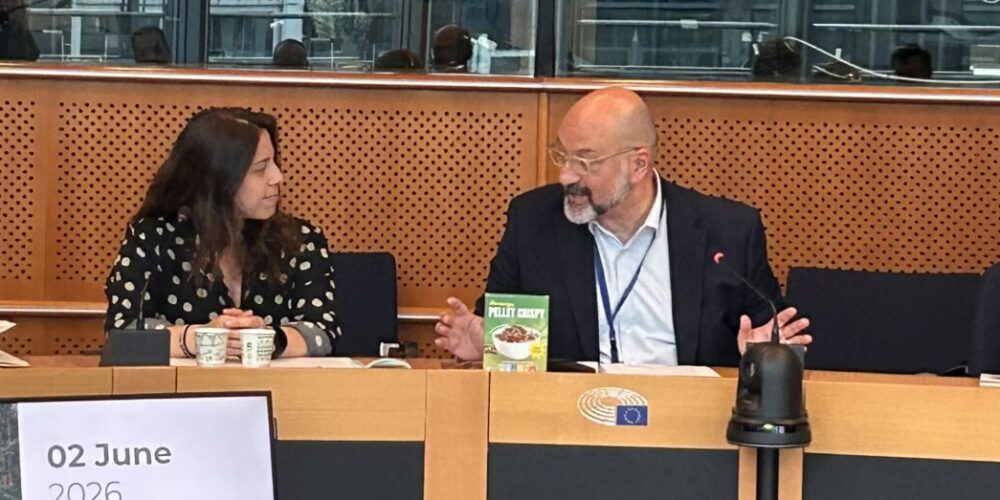
With Europe’s summer fire season about to begin, MEP Sakis Arnaoutoglou hosted yesterday the premiere of the Documentary “Fuel the solution, not the fire” realised by Bioenergy Europe.
Brussels, 3 June 2026 — The short documentary “Fuel the solution, not the fire” brings together local voices from Attica (Greece), Tuscany (Italy) and Catalonia (Spain) to show how Europe can work on wildfire prevention, moving from recurring summer emergencies to practical, locally designed solutions that reduce risk and strengthen forest resilience.
Recent years have underlined the rapid escalation of wildfires in the EU. According to the European Commission’s Joint Research Centre and EFFIS (EFFIS – Statistics Portal), more than one million hectares burned in the EU in 2025, breaking the previously set grim record of 2017 of nearly 990.000 ha. This means that several of the worst fire seasons of this century have occurred within the last decade.
“Every year, as fire season returns, we see again that response alone is not enough,” said MEP Sakis Arnaoutoglou. “This documentary shows prevention as something concrete and practical, designed locally and supported politically, to protect people and landscapes before catastrophe strikes,” he added.
In terms of CO2 emissions, the 2025 fire season represented around 43 Megatons of CO2 pumped right back into the atmosphere, which corresponds to the yearly GHG emissions of EU Member States like Denmark, or nearly a quarter of the EU’s total LULUCF sink. On top of that, 2023 saw the largest single fire recorded in Europe since the 1980s, with over 96,000 hectares burned near Alexandroupoli in Greece. Against this backdrop, the event aimed to refocus attention on the part of the solution that too often arrives late: prevention and preparedness on the ground.
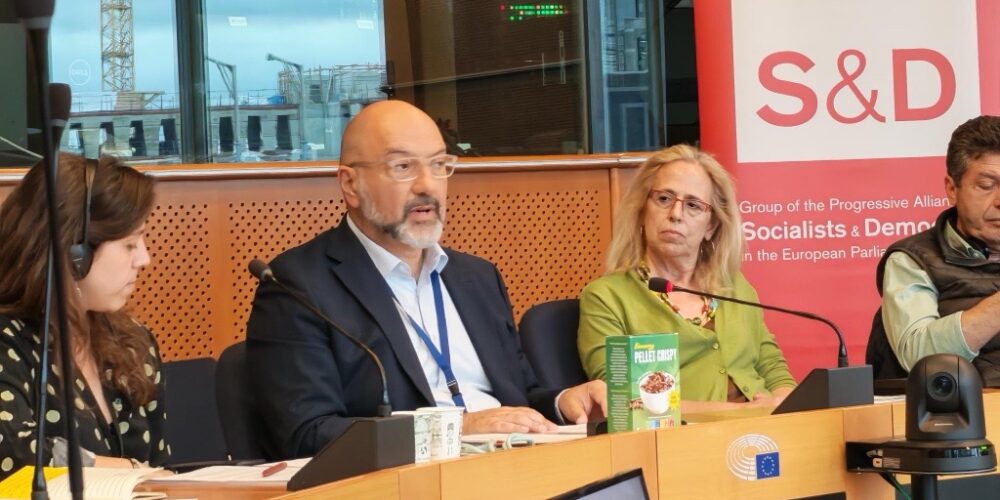
“Forest management is essential to keep forests healthy and reduce wildfire risk. Lowering the fuel load in the forests by promoting the forest bioeconomy is vital to prevent wildfires,” said Josep Milà. “If we wait until the whole stand is burning, it’s too late and the damage can wipe out generations of forest growth as well as nature and climate efforts,” he added.
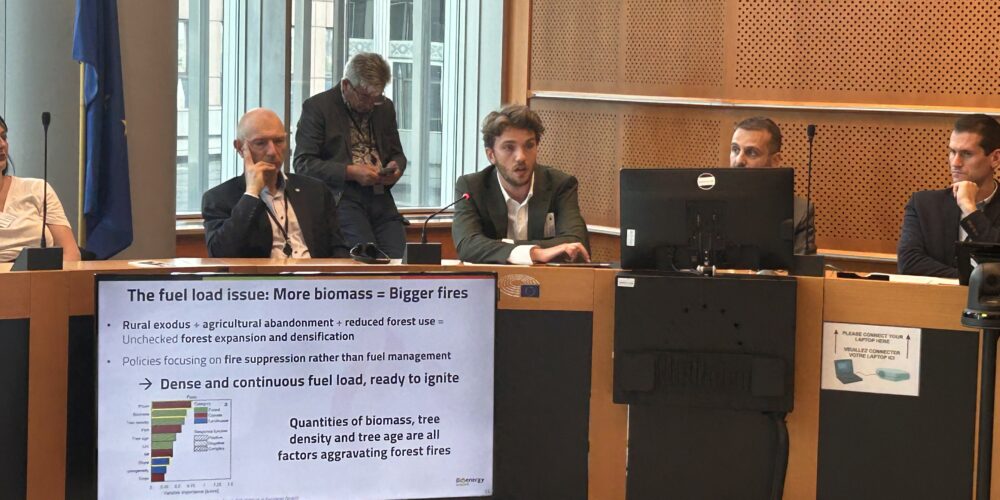
After the full screening of the documentary and a presentation of Jérémie Gelen, (Bioenergy Europe) on the necessity of active management reduce fire risk, MEP Sakis Arnaoutoglou, Hélène Koch (Confederation of European Forest Owners – CEPF), and Josep Milà (EUSTAFOR) participated in a panel discussion animated by Irene di Padua (Bioenergy Europe).
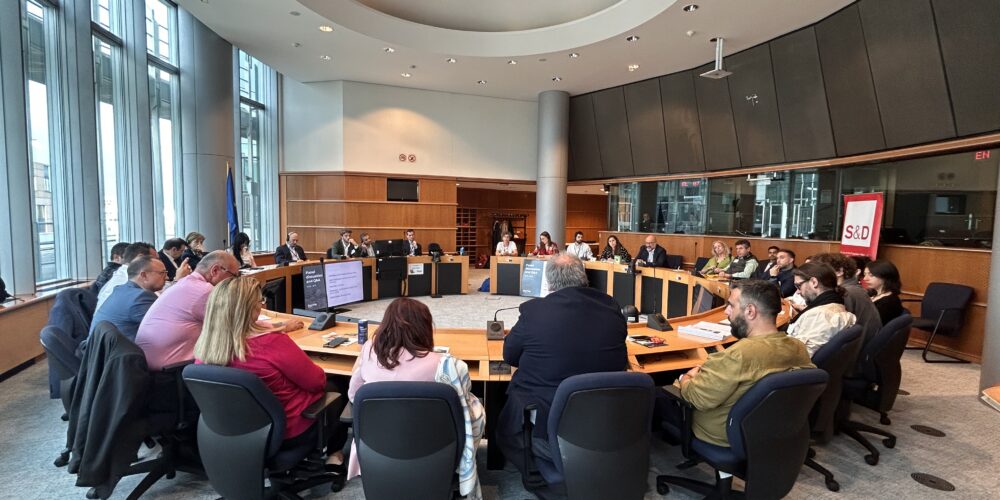
The discussion converged on a shared message: emergency response will always be necessary, but treating the causes requires year-round work to reduce fuel build-up, improve landscape resilience, and equip local actors with the skills and resources to act early.
“Bioenergy is not the objective,” said Jérémie Gelen, “but when residues are available and sustainability rules are respected, it can provide a responsible local outlet that helps keep forest maintenance financially viable year after year,” he explained.
Concluding the event, Jean-Marc Jossart, Secretary General of Bioenergy Europe, said “Europe will not ‘fight’ its way out of the wildfire crisis with emergency response alone. The choice is whether we keep paying for disasters, or we invest in preparedness. Prevention is a public safety measure, and it can also be a rural development opportunity when local actors have the skills, funding and long-term incentives to keep forests cared for.”
About the documentary and the campaign
The videos, realized by “Compagnia delle Foreste”, illustrate what fire prevention means in practice across three regions.
In Attica (Greece), the concept of Green Biomass Points is presented as a way to organise the collection and handling of fire-hazardous vegetation at municipal level, turning one-off clean-ups into regular maintenance.
In Tuscany (Italy), strengthened prevention planning and a dedicated training centre support consistent implementation on the ground that prioritises the most exposed areas by maintaining firebreaks, creating buffer strips, and keeping open areas to slow fire spread.
In Catalonia (Spain), locally sourced wood chips provide renewable heat for key public services, including Hospital de Terrassa and facilities at the Autonomous University of Barcelona, while supporting local supply chains and forest care.
Link to the campaign website: bioenergyeurope.org/fuel-the-solution/
Related Posts
No related photos.