
Biomass domestic fuels offers a powerful route to cutting CO₂ emissions and creating cleaner, more sustainable home heating. In this new issue of our Meet our members series we talk to Juan Turrion, Head of Strategic Research at Invica, a group of industrial and engineering businesses developing new domestic solid fuels.

Where are you based?
Our headquarters are in Sheffield (UK) with production facilities in Immingham (UK) and Foynes (Republic of Ireland). We have more than 25 depot facilities all around the UK for the direct sale to consumers of domestic solid fuels (renewable and fossil fuel-based). In addition, we run an operation in Latvia to produce kiln-dry wood.
What does your company do?
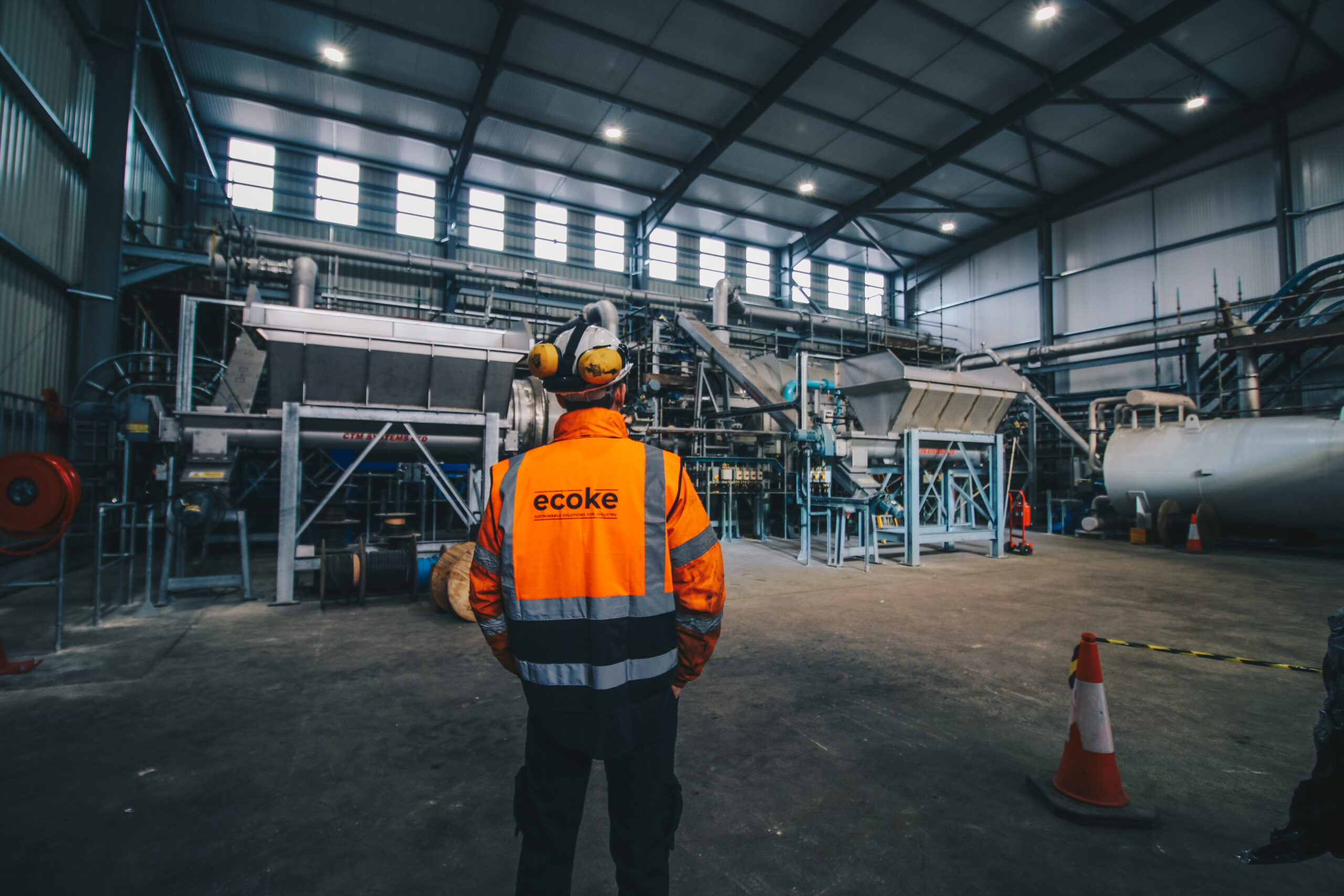
We manufacture and market a full spectrum of domestic solid fuels: renewable biocarbon, low-carbon hybrids, and traditional fossil options. Thus, delivering reliable heat to hundreds of thousands of homes. Our flagship Ecoke range supplies industry with high-purity renewable carbon reductants that cut emissions while matching the performance of coal-derived coke. From hearth to furnace, we engineer carbon solutions that balance today’s energy needs with tomorrow’s climate goals.
What do you do?
As Head of Strategic Research, I lead forward-looking initiatives that shape the domestic heating sector’s evolution toward net-zero emissions. One of my core tasks is unlocking biocarbon’s potential as a scalable, carbon-negative fuel for residential heat and industry reductant. By integrating advanced pyrolysis, supply-chain innovation, and policy design, I deliver actionable roadmaps that accelerate the transition from fossil solid fuels to renewable biocarbon systems.
How is your team structured?
Our company is powered by four tightly integrated teams that turn vision into heat. The Production of Solid Fuels team runs three advanced plants, converting biomass and coal into Ecoke and domestic fuels. Sales, Innovation, and Management work shoulder-to-shoulder ensuring every tonne we ship today funds the carbon-negative home of tomorrow.
What value do your products and/or services bring to your customers?
We keep homes warm and secure with affordable heat when it’s needed most, including from power cuts to winter storms. Beyond the home, our biocarbon fuels Europe’s progress toward a fossil free future.
Do they contribute to sustainability, efficiency, or innovation?
Absolutely. Our contribution lies in developing renewable, high-performance alternatives to coal for domestic and industrial applications. Through sustainable biomass and advanced thermal conversion technologies, we are creating efficient, scalable solutions that drive sustainability and innovation.
How does EU policy impact your business?
Although the UK is not part of the EU, we have activity in the Republic of Ireland, Latvia, and other European Union Countries. However, because of the intense economic interaction between the UK and the EU, domestic heating policies will affect the UK.
What key regulations influence your operations or growth?
The domestic solid fuels space heaters Ecodesign regulation has a major impact. In parallel, compliance with biomass sustainability criteria under frameworks such as RED III is essential to ensuring our products meet evolving environmental and market expectations.
What motivated you to join Bioenergy Europe?
The fact that it is an organization that agglomerates the biomass sector in Europe. Union is our strength against bigger sectors with antagonist interests to us.
How does membership support your goals and industry engagement?
We have access to essential information and the possibility to work with all the associates as a unique, powerful voice.
What’s next for your company?
The substitution of mineral coal by biomass alternatives with similar technical characteristics and price. Also, we will continue to deliver of renewable domestic solid fuels to complement other net zero heating technologies such as heat pumps.
Any upcoming projects, innovations, or growth plans?
We are continuing to expand our focus on industrial decarbonisation, with Ecoke playing a key role in this journey. Designed with full flexibility to meet the needs of industrial users, Ecoke remains central to our core pillar of progressive transformation and sustainable growth.
Related Posts
No related photos.